Vehicles on Cambodia’s Roads Expected to Reach 8 Million by 2030 and 14 Million by 2050
 cam bank
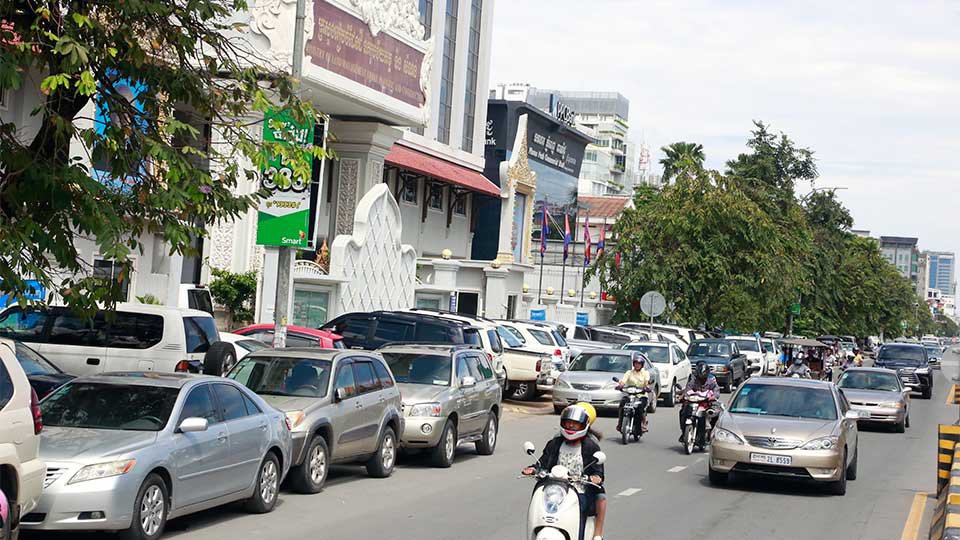
PHNOM PENH: The number of vehicles travelling on roads in Cambodia has continued to rise. The number is expected to reach 8 million in 2030 and increase further to 14 million in 2050, according to estimates by the Royal Government of Cambodia made previously.
On March 28, 2024, the World Bank also advised Cambodia to prepare to shift to electric vehicles and reduce the use of diesel- and gasoline-powered vehicles.
Maryam Salim, the World Bank’s Country Manager for Cambodia, said the transition to electric vehicles was an achievable goal and would help Cambodia move towards its ambitious carbon-neutrality target.
She added that the goal nevertheless required a careful assessment of the transition. Cambodians currently benefit in many ways from using low-cost used vehicles imported from abroad, but these vehicles have a significant environmental cost and could also pose an obstacle to the wider adoption of electric vehicles. “We are committed to supporting the government through this transition and exploring possible ways forward,” she said.
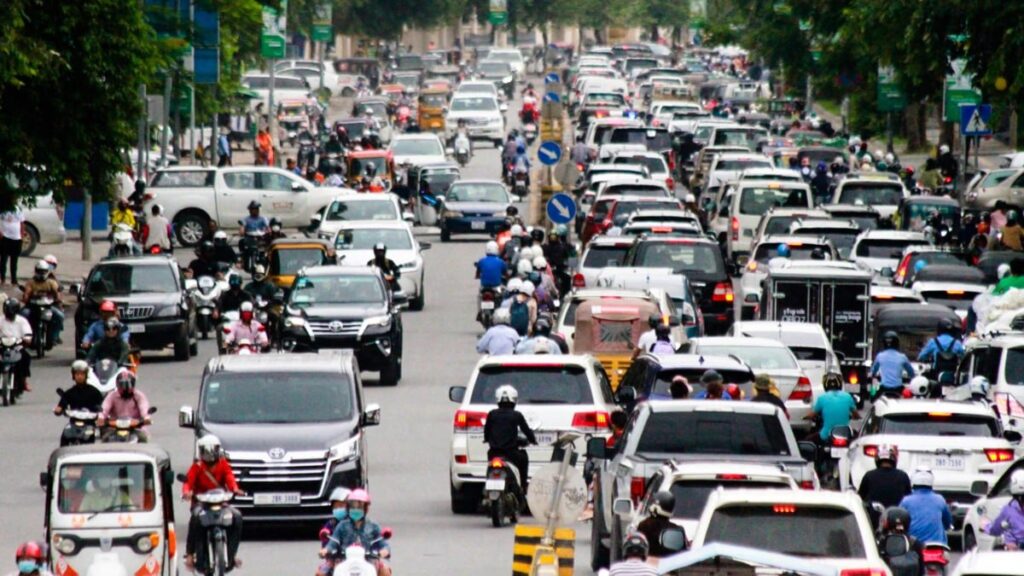
The World Bank advised Cambodia that, to ensure electric vehicles become more common on the country’s roads than gasoline- or diesel-powered vehicles, the country needs to reform regulations governing vehicle imports and use through a gradual tightening of requirements. This should include a policy preventing gasoline- or diesel-powered vehicles from continuing to operate on the roads once they reach a specified age. This approach would increase demand for new vehicles and help electric vehicles enter the market more quickly. In the near term, electric motorcycles and three-wheelers are expected to play a leading role in Cambodia’s transition to electric vehicles.
Ros Seilava, Secretary of State at the Ministry of Economy and Finance, said promoting electric vehicles was an opportunity for Cambodia to reduce carbon emissions from transport, achieve its ambitions under its nationally determined contributions and reach carbon neutrality by 2050. In addition, it would help Cambodia integrate into regional and global supply chains, promote industrial development and create jobs.