Despite Global Uncertainty, Cambodia’s Banking System Remains Resilient and Strong
 cam bank

The global economy faced a series of challenges in the first half of 2026 due to the war in the Middle East, which led to the closure of the Strait of Hormuz and significantly affected energy markets. This pushed up global inflation, slowed economic activity and created uncertainty in financial markets. To maintain price stability, some central banks, including those in Europe and Japan, decided to raise their policy rates, while most central banks kept rates unchanged. Meanwhile, growth in international trade and global tourism slowed, but investment in artificial intelligence (AI) continued to increase sharply.
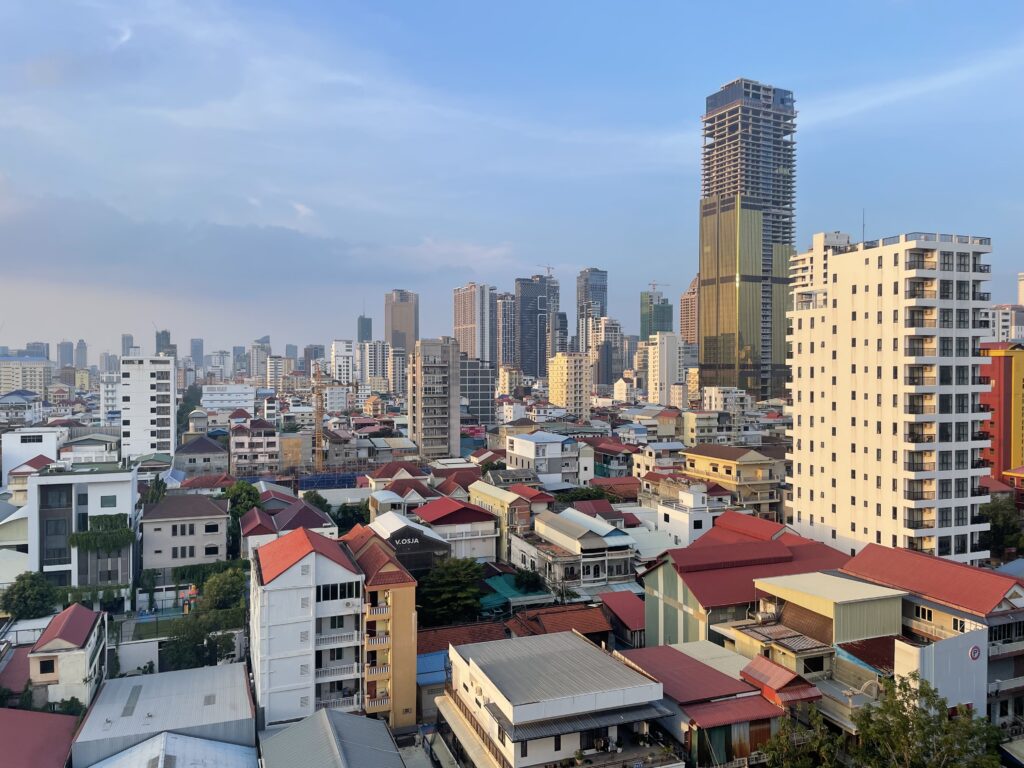
Cambodia’s economy is estimated to have slowed in the first half of 2026 amid uncertainty in both the global and domestic environments. Tourism, construction and real estate continued to face weakness, but overall economic growth remained supported by exports, foreign direct investment and domestic production. Fuel price increases drove headline inflation up to 7.2% in May and 6.8% in June. Nevertheless, the balance of payments remained in surplus due to capital inflows, while gross international reserves remained high enough to cover approximately eight months of imports of goods and services.
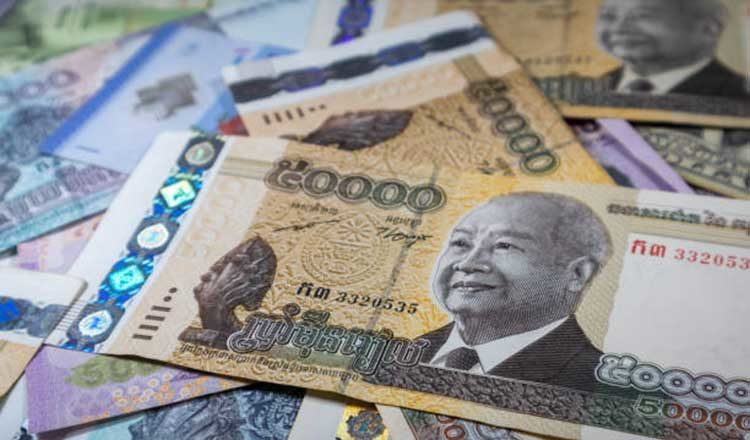
According to a report by the National Bank of Cambodia, in line with economic developments, the riel continued to maintain good stability, with average fluctuations of just 0.9%. The exchange rate averaged 4,017 riel per US dollar, helping to preserve the purchasing power of the riel. The reserve requirement ratio for both riel and foreign-currency deposits was maintained at 7%, while the absorption and provision of riel liquidity remained at appropriate levels. Riel negotiable certificates of deposit (NCDs) were issued at an average of 3.7 trillion riel per month, while liquidity-providing collateralized operations (LPCOs) averaged 476 billion riel per month. To help reduce the cost of riel funding, the reference rate was cut to 2.5%, while the average riel interbank interest rate remained stable at 3.36%.
The report stated that the banking system continued to maintain strong capital and liquidity despite being affected by external and domestic factors. Uncertainty in the global economic and financial environment, combined with weakness in several economic sectors, placed pressure on credit growth and credit quality. Credit grew by 4.6%, while the gross non-performing loan ratio stood at 9.6%. However, the net non-performing loan ratio was just 3.3%, indicating the strong capacity of banking and financial institutions to absorb losses. In addition, capital and liquidity at banking and financial institutions remained high. The total capital ratio of deposit-taking banking and financial institutions was 23.3%, compared with the regulatory minimum of 15%, while the liquidity coverage ratio stood at 172.8%, compared with the regulatory minimum of 100%.
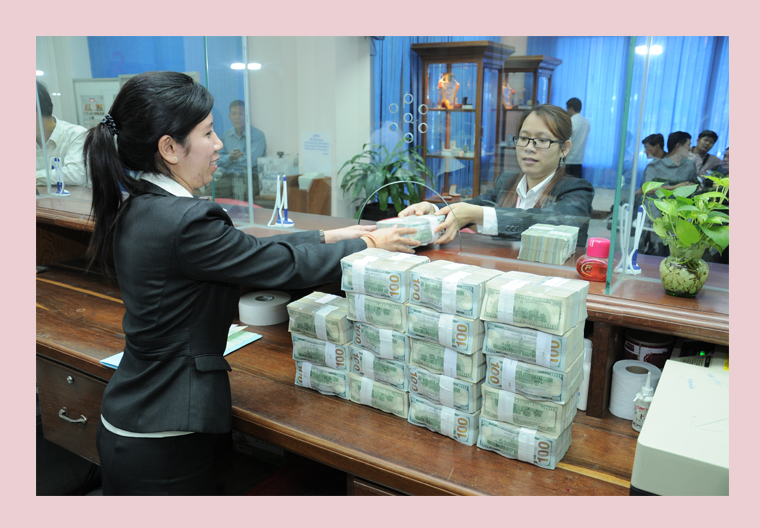
Furthermore, progress continued in promoting financial inclusion and sustainable finance, while stronger consumer protection and the development of deposit protection contributed to greater confidence. The number of customer deposit accounts rose 38.3% to 39.6 million, while the number of credit accounts increased 9.7% to 4.7 million.